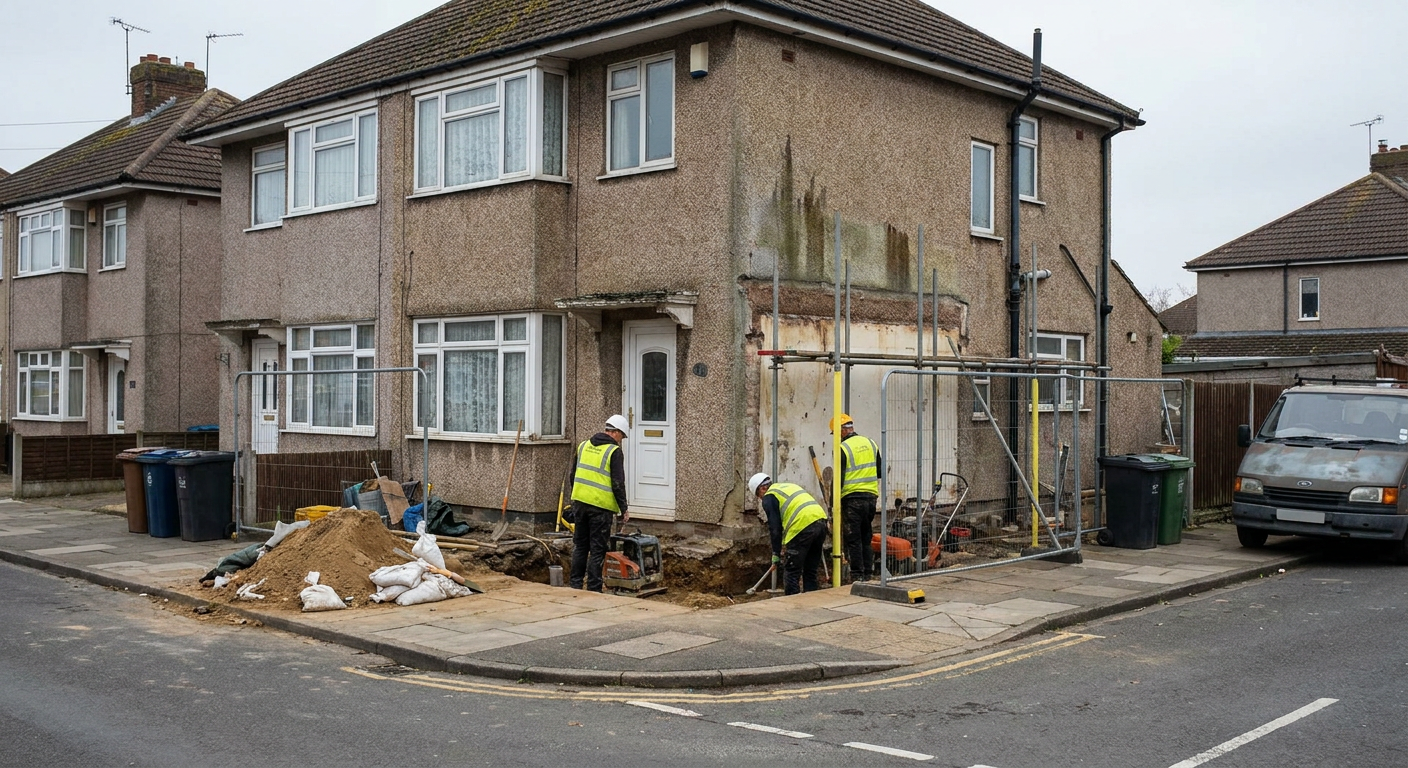
Cardiff paperwork
Underpinning paperwork: certificates to keep on file
Send the details of your home and the work that was done. There is no charge for an enquiry, and it does not commit you to anything beyond a conversation about what paperwork matters.
Underpinning paperwork: certificates to keep on file
Why the paperwork matters when you sell
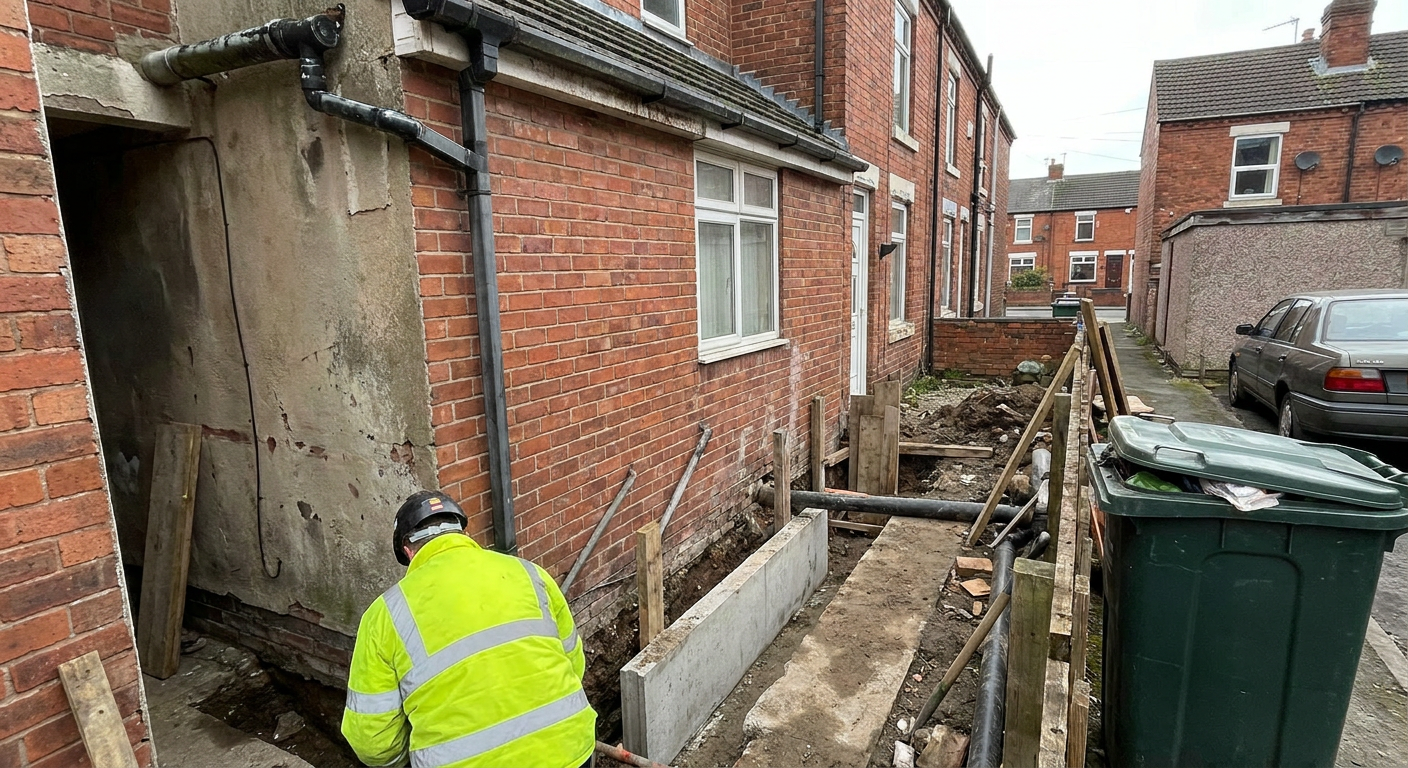
A buyer will ask questions about any structural work done on a home. If underpinning took place, their solicitor will want proof that it was designed properly and signed off by the local authority. Without those documents, a sale can stall or fall through entirely.
Keeping the paperwork together from the start avoids a frantic search years later. The specialist firm that carries out the work produces several documents during the job. Each one serves a different purpose, and each needs to stay with the house rather than the person who commissioned it. When you move, these papers should go into the bundle you hand over to the next owner.
Buyers in Cardiff are particularly alert to ground movement because of the varied geology across the city. Areas built on old dock land or made ground often carry a history of settlement. Having the right certificates ready shows that the problem was dealt with properly and gives a buyer confidence in the structure they are purchasing.
The structural engineer's design and calculations
Before any digging starts, a structural engineer produces a design for the underpinning. This document sets out how deep the new foundations will go, what materials will be used, and why that method suits the ground beneath the house. It might specify mass concrete sections dug in sequence, or mini piles driven down to a stable layer.
The engineer also provides calculations showing that the proposed work will support the load of the building. These drawings and notes form the basis of the building control application. Keep the full set, including any revisions made during the job. A contractor sometimes adjusts the design once the ground is opened up and the actual soil conditions are visible.
If the original engineer is no longer trading, the documents still hold value. They describe what was built and why. A future surveyor assessing the home will read them to understand the scope of the repair. Losing them means paying someone new to work out what is already buried beneath the floor.
Building control approval and completion certificate
Underpinning requires approval from the local authority building control team or an approved inspector. The process begins before work starts, with plans submitted for review. Building control approval for underpinning in Cardiff follows the same regulations as anywhere in Wales, but inspectors here are familiar with the local soil types and typical foundation depths.
During the work, the inspector visits at specific stages. They check the depth of the excavations, the quality of the concrete, and the way the new foundation ties into the existing wall. Once they are satisfied with every stage, they issue a completion certificate. This single piece of paper confirms the work meets building regulations.
Without it, there is no official record that the underpinning was inspected. A buyer's solicitor will flag its absence immediately. If the certificate has been lost, the local authority may hold a copy on file, but retrieving it takes time and sometimes a fee. Store the original somewhere safe and make a digital copy as a backup.
Insurance-backed guarantees and warranties
Many specialist firms offer a guarantee on their underpinning work, often backed by an independent insurance company. This guarantee typically covers the repaired section of the foundation for ten years or more. If the ground moves again within that period, the policy pays for further investigation and repair.
The guarantee document names the property, describes the work covered, and lists any exclusions. Read it carefully when you receive it. Some policies require the homeowner to maintain drains or manage nearby trees as a condition of the cover. Failing to do so can void the warranty.
When the house changes hands, most guarantees transfer to the new owner automatically, though some require a small administration fee. Tell your solicitor about the guarantee during the sale so they can include it in the contract pack. A buyer facing a home with a history of subsidence will find an active guarantee far more reassuring than a verbal promise that the work was done well.
Monitoring records and survey reports
Before underpinning begins, a specialist often monitors cracks over several months to establish whether the movement is ongoing or seasonal. Crack monitoring in Cardiff homes tracks changes in width using small gauges fixed across the fracture. The readings produce a record of how the building behaves through wet and dry periods.
Keep these monitoring charts alongside the design and completion certificate. They show that the decision to underpin was based on measured data rather than guesswork. A subsidence survey report from the initial assessment belongs in the same folder. It documents the cause of the movement, whether that is clay shrinkage, a leaking drain, or tree roots drawing moisture from the soil.
If the monitoring showed that cracks only opened in winter and closed again in summer, that pattern is worth recording too. It tells a future owner what to expect and prevents unnecessary alarm when cold weather returns. Every report adds context to the physical work buried below the walls.
Ask about your underpinning paperwork
Describe what documents you have and what is missing. An enquiry costs nothing and does not commit you to any work. It simply starts a conversation about what a buyer or surveyor will need.
- No obligation to proceed
- Free to enquire
- Local knowledge