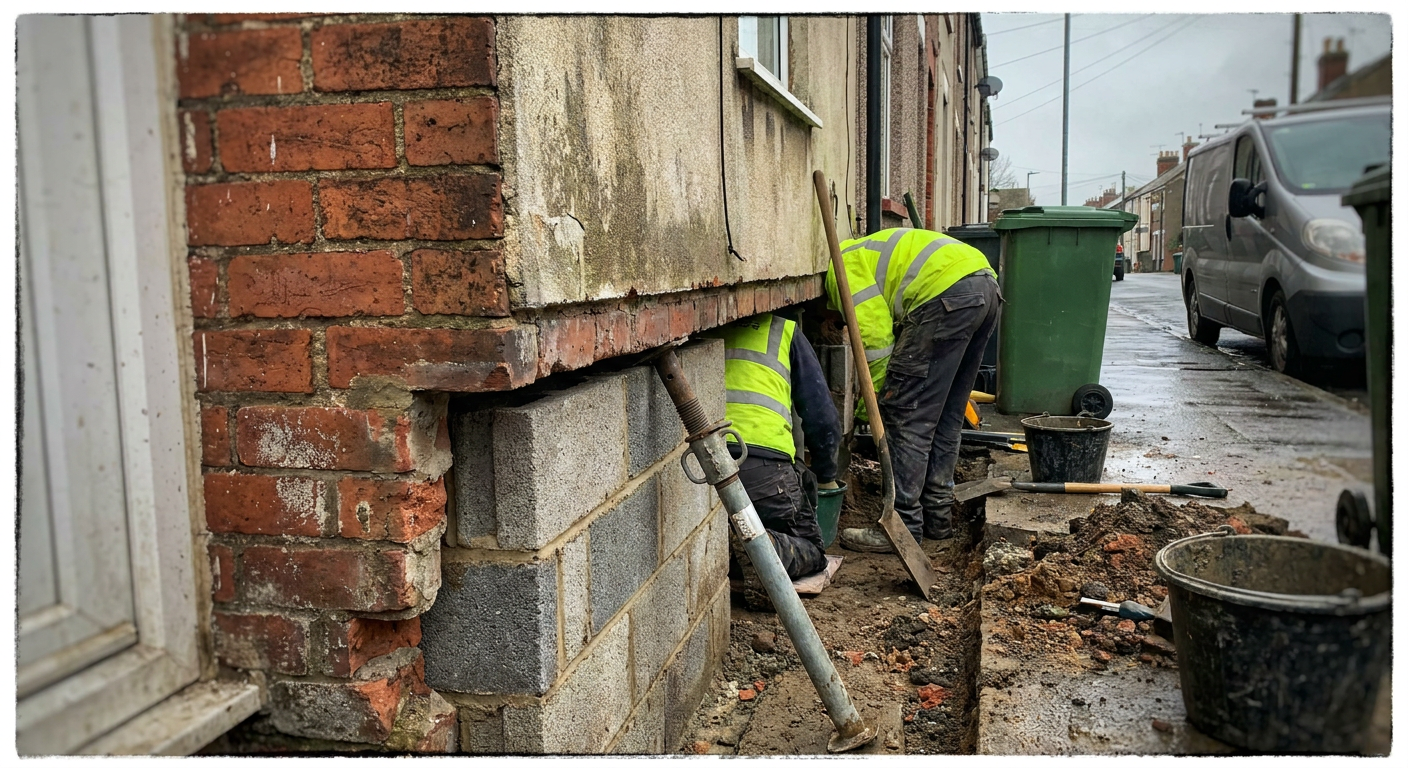
Cardiff homes
Do cracks get worse in winter in Cardiff homes?
Describe what you have noticed and the time of year it appeared. A specialist firm will review the details and advise whether a survey is needed, at no cost to you.
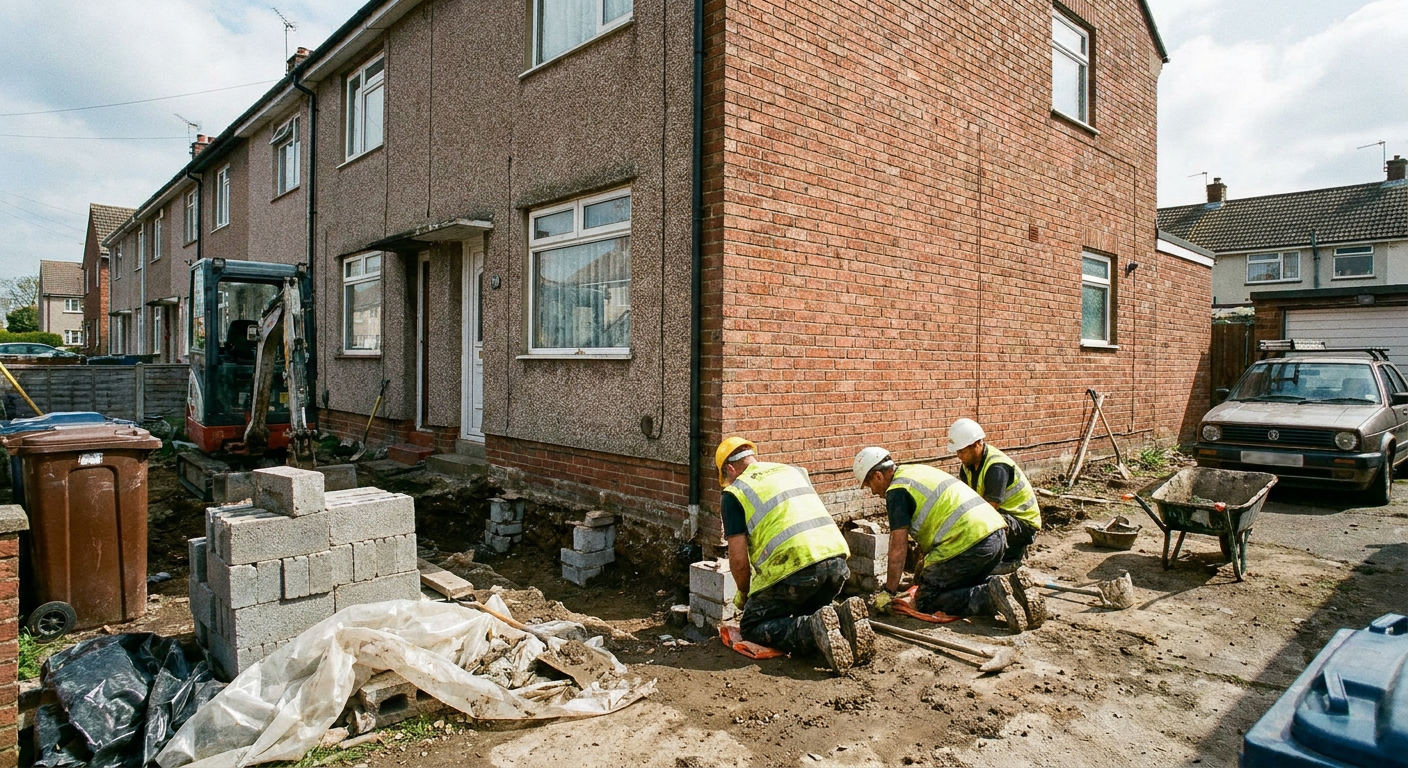
Why do the cracks in my Cardiff house seem worse after a cold snap?
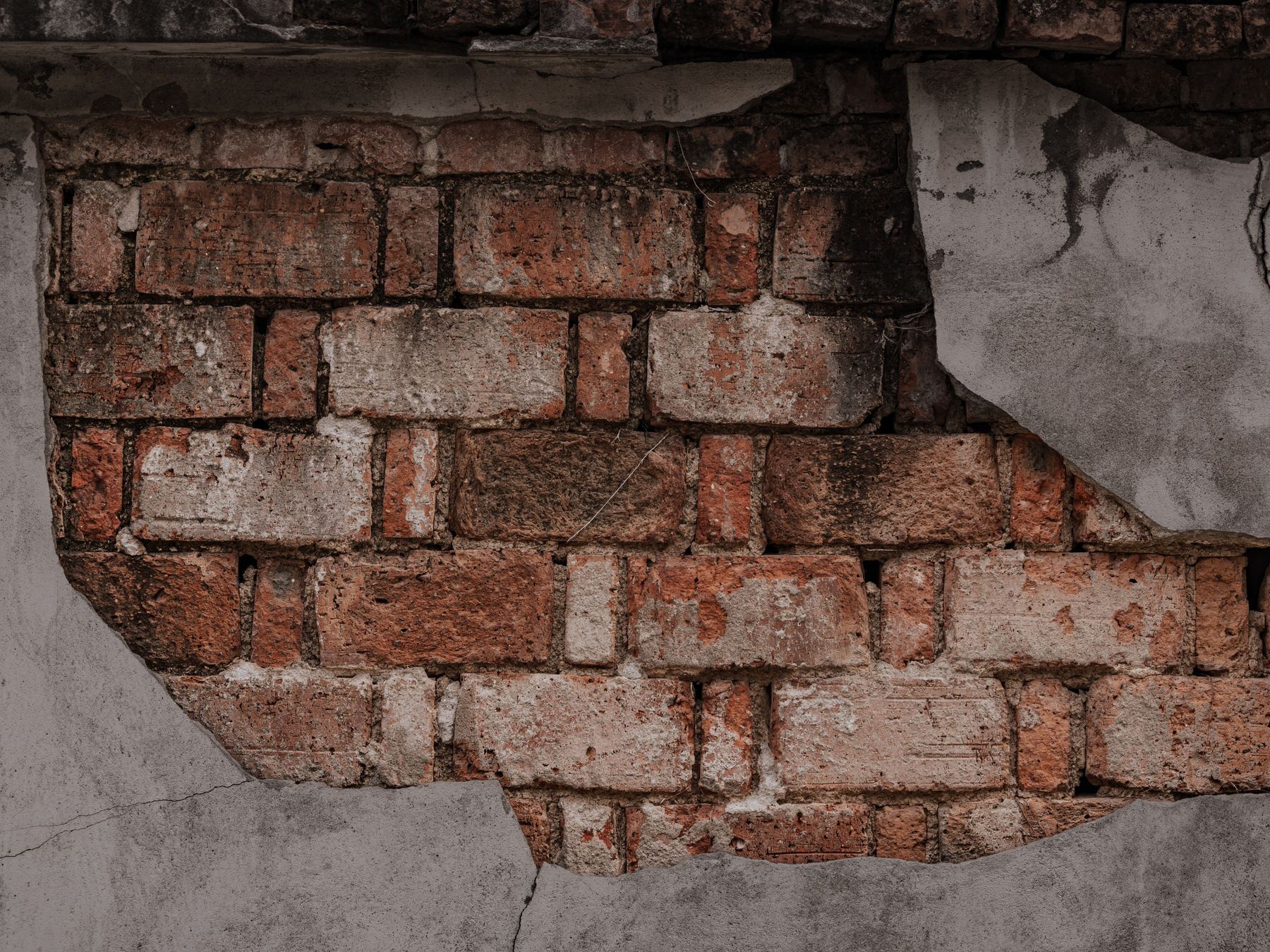
People often ask if cracks get worse in winter, and the answer depends on the ground beneath the home. Cardiff sits on varied geology, from river gravels near the Bay to heavy clays further inland. When temperatures drop, moisture already inside porous brickwork and render can freeze and expand. This produces hairline cracks after frost that are usually shallow and confined to the outer skin of the wall.
A deeper structural crack behaves differently. If the soil under the foundations has been shrinking since summer, the sudden cold does not cause the movement itself. The damage was done during the dry months. But freezing air makes existing gaps more visible because mortar contracts slightly, and indoor heating dries out plaster so it pulls away from the masonry behind it. So cracks worse in cold weather might simply be old movement showing itself more clearly when the light changes and the house cools down.
Does a crack that closes up in winter mean seasonal clay?
Clay soil winter swelling is a common pattern in parts of Cardiff built on shrinkable ground. During a dry summer, clay loses moisture and shrinks, pulling support away from shallow foundations. Walls move downward and cracks open. When autumn rain arrives, the same clay absorbs water and expands again, pushing the foundations back up. The gap narrows or closes entirely.
This seasonal crack movement house owners notice is a strong indicator that reactive clay is involved. It does not guarantee the problem is harmless. Repeated cycles of shrinking and swelling fatigue bricks and mortar over years. A crack that closes every December and reopens every July still needs attention, because each cycle can widen the gap slightly. Specialist firms use [crack monitoring](/methods/structural-monitoring-cardiff) to measure these movements precisely across the seasons. The data shows whether the wall returns to its original position or drifts further each year. That distinction determines whether simple repair is enough or if [foundation repair](/methods/foundation-repair-cardiff) is required to stabilise the ground permanently.
Do wet Welsh winters make subsidence better or worse?
Cardiff sits on clay in many of its suburbs, and that clay shrinks when it dries and swells when it gets wet. A long, dry summer pulls moisture out of the ground, and the soil contracts. Then the rain comes. Wet Welsh winters refill shrunken clay, pushing the ground back up. For a home where the movement is purely seasonal, the winter rain helps the soil recover. Cracks that opened in August narrow again by February. This seasonal crack movement house owners notice is a familiar pattern across the city. But extra water brings other problems. Saturated soil weighs more, and ground that drains poorly can soften around footings. If a drain is fractured or leaking beneath the house, winter rainfall washes fine particles out of the subsoil. A [leaking drain](/ground/leaking-drain-subsidence) causes damage that rain alone would not. Mature trees planted too close to walls extract enormous volumes of moisture in summer, but their root systems also alter how water flows through the ground in winter. Understanding whether the wet season helps or harms requires knowing what lies below the surface. A [subsidence survey](/methods/subsidence-survey-cardiff) examines the soil type, drainage layout and nearby vegetation to build that picture.
How do I tell seasonal movement from something getting worse?
Walls moving through the year follow a predictable rhythm tied to rainfall and temperature. Seasonal cracks tend to appear at the same points, often near window corners or where extensions join older structures, and they change width gradually. They rarely exceed a few millimetres and they respond to the weather within weeks.
Progressive movement ignores the calendar. A crack driven by a failing drain, collapsing made ground or deep instability keeps widening whether it rains or shines. It may step diagonally through several courses of brickwork rather than following mortar lines. Doors begin sticking permanently rather than just in August. Floors slope noticeably. If the gap accepts a coin that would not fit three months ago, the movement is likely ongoing. Progressive faults sometimes need substantial intervention such as [mass concrete underpinning](/methods/mass-concrete-underpinning-cardiff) or [mini piled underpinning](/methods/mini-piled-underpinning-cardiff) to reach stable strata far below the affected layer. Recording measurements regularly is the only way to separate the two patterns with certainty.
What should I record over the winter for a specialist?
A specialist firm assessing a home needs evidence gathered over time, not just a single photograph taken on the day they arrive. Start by marking the ends of any visible crack with a pencil and writing the date beside each mark. Measure the widest point using a ruler and note the figure in a diary or on your phone.
Take pictures from the same angle each month, ideally with a coin or tape measure held next to the gap for scale. Note the weather conditions: whether it has been raining heavily, freezing overnight or dry for weeks. Record which doors stick and whether the sticking changes. If you notice damp patches appearing alongside the cracks, write down when they emerge and whether they fade after rain stops. This log transforms a vague worry into a timeline. Read more about [how to monitor a crack](/ground/how-to-monitor-a-crack) properly. Handing this record to the surveyor saves time and gives them a clear sequence of events to interpret.
Should I wait until spring before getting a survey, or act now?
Waiting for warmer weather feels logical if a crack seems to shrink once the rain starts. But delaying means losing the chance to capture the house at its most stressed state. Winter conditions reveal different faults than summer ones. A survey conducted while the ground is saturated shows how water moves around the foundations, which drains struggle to cope and whether the clay swells unevenly.
Deciding [when to get a subsidence survey](/ground/survey-mentions-subsidence) depends on what you see. If the crack is hairline and clearly responds to frost, recording it through the season is reasonable. If masonry is displaced, plaster is falling away or windows no longer shut, contact a specialist immediately. Early investigation prevents minor seasonal issues from becoming major structural failures. Firms handling [house underpinning](/methods/house-underpinning-cardiff) prefer to assess a property while the symptoms are active, because the evidence is fresh and measurable. Sending an enquiry now costs nothing and establishes a baseline for whatever happens next.
Signs your home is reacting to the cold and wet
Winter affects buildings in several ways. Some changes are superficial responses to frost and damp. Others point to deeper movement in the ground beneath the foundations.
- 1
Cracks narrowing after heavy rain
Gaps that tighten when the ground gets wet suggest clay swelling beneath the footings, reversing summer shrinkage.
- 2
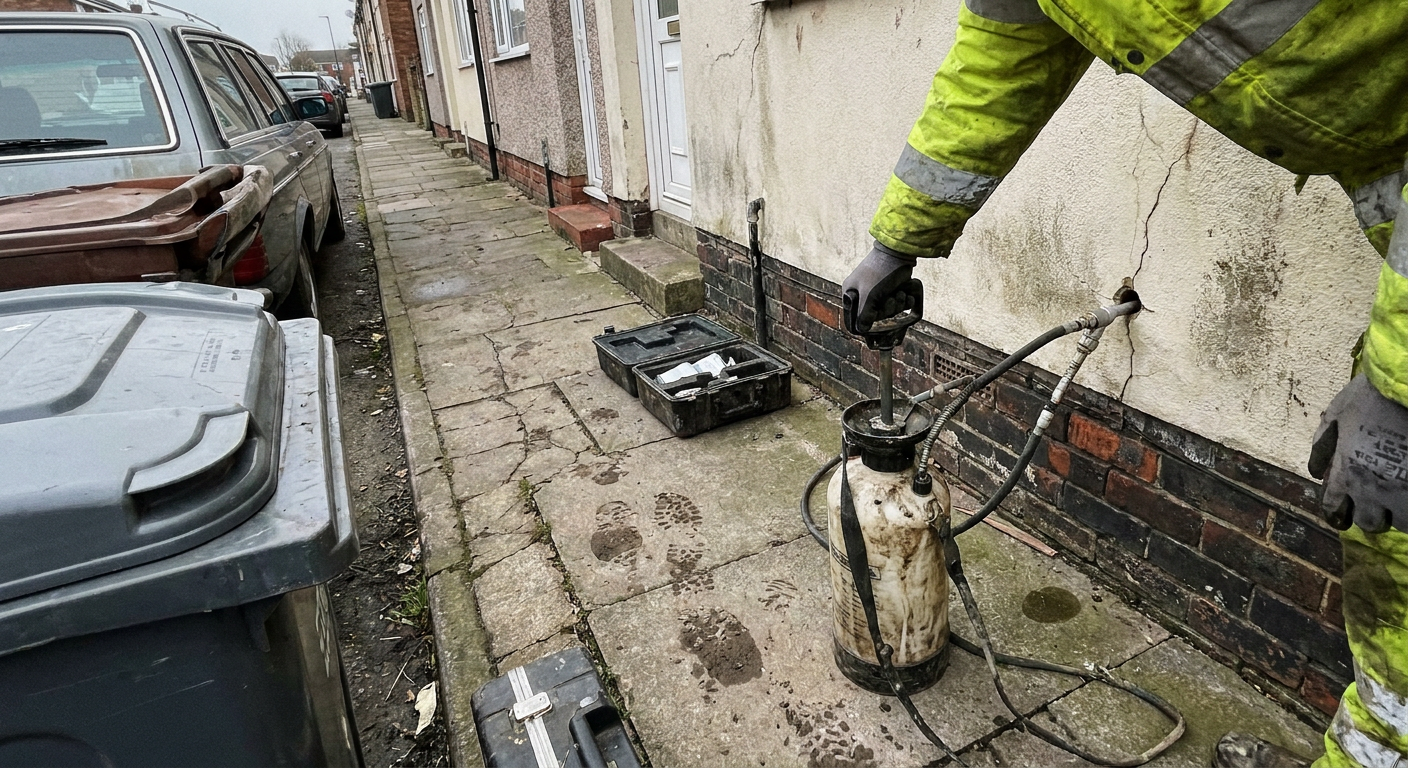
New hairline cracks in render
Shallow lines appearing after freezing nights often result from trapped moisture expanding within the surface coating.
- 3
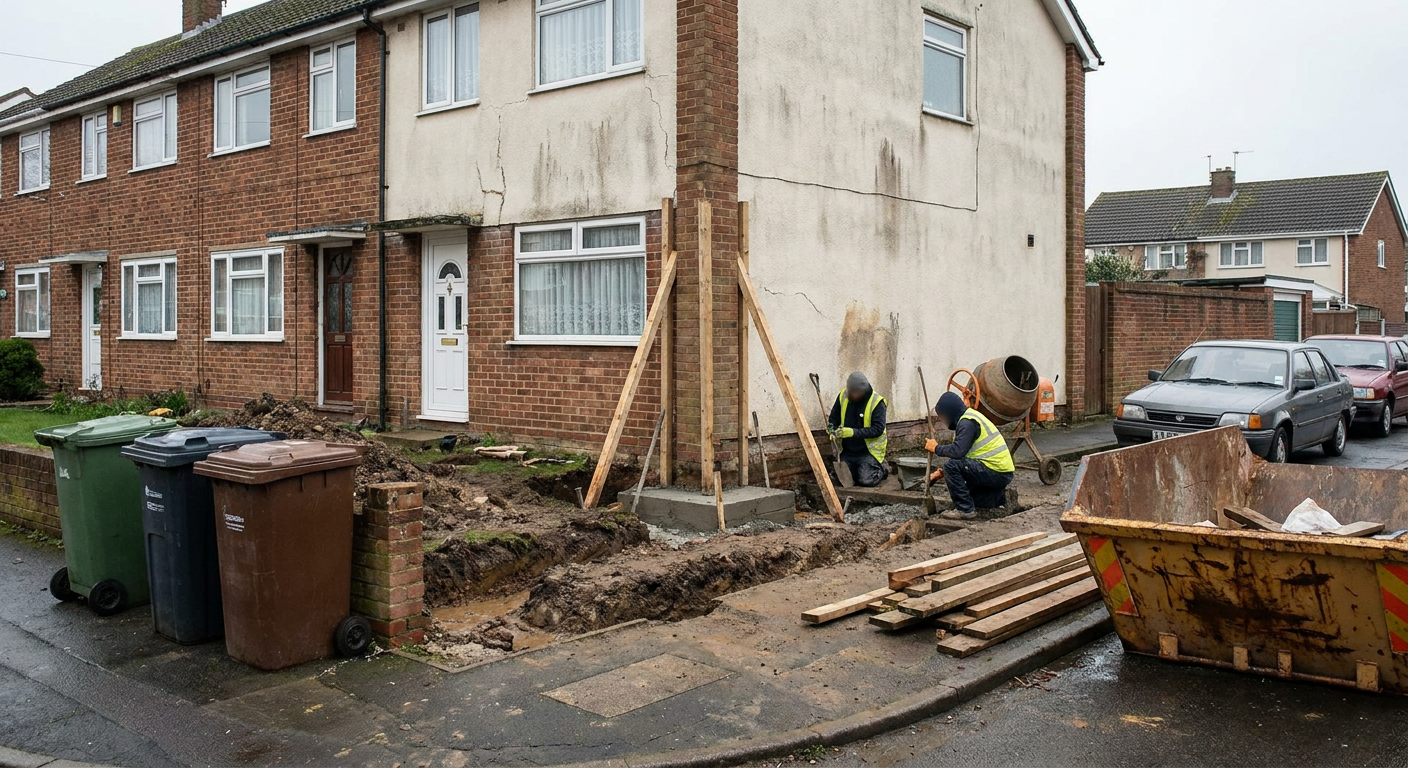
Doors sticking then freeing up
Frames that jam in dry months but swing freely in winter indicate timber and masonry responding to humidity shifts.
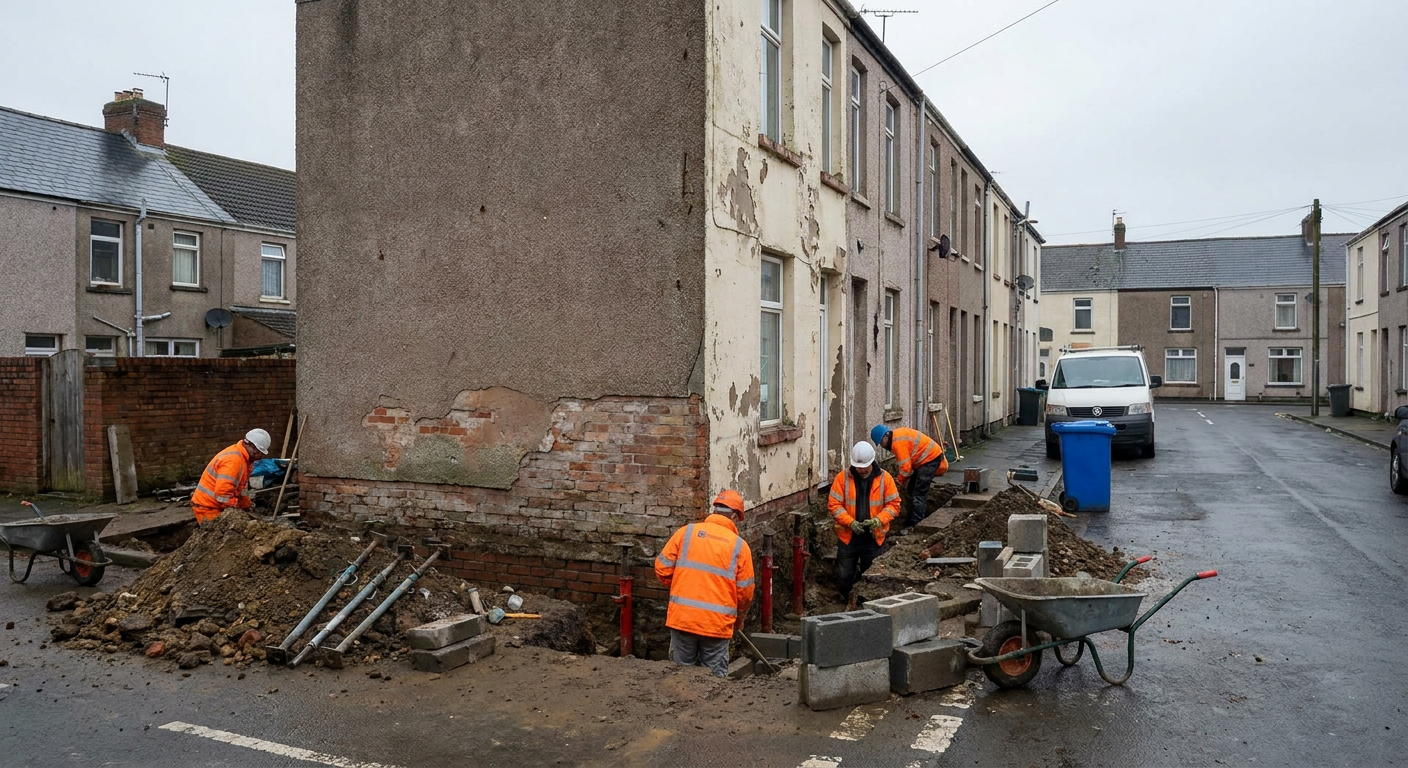
- 4
Damp patches near floor level
Moisture tracking up internal walls during prolonged rain can signal external ground levels bridging the damp proof course.
Questions about winter cracks in Cardiff homes
Common concerns raised by homeowners noticing changes in their walls between November and March.
- Can frost itself crack brickwork?
- Frost damages porous surfaces like render and soft brick faces by expanding trapped water, but rarely fractures solid structural masonry on its own.
- If a crack opens all year round?
- Continuous widening regardless of season suggests progressive ground failure, a broken drain or void formation rather than normal seasonal clay movement.
- Does closing in winter fix it?
- Closure proves the ground is reactive, but repeated annual cycling fatigues materials. Monitoring determines if the wall truly recovers its position.
- Is resin injection used in winter?
- Specialist contractors apply [resin injection](/methods/resin-injection-cardiff) year-round to consolidate loose ground, provided access and weather allow safe working conditions.
Tell us what you have noticed this winter
Send details of the cracks and when they appeared. A specialist firm reviews the information and advises whether a site visit is necessary. There is no charge for this initial assessment.
- No obligation
- Free initial review
- Local specialists