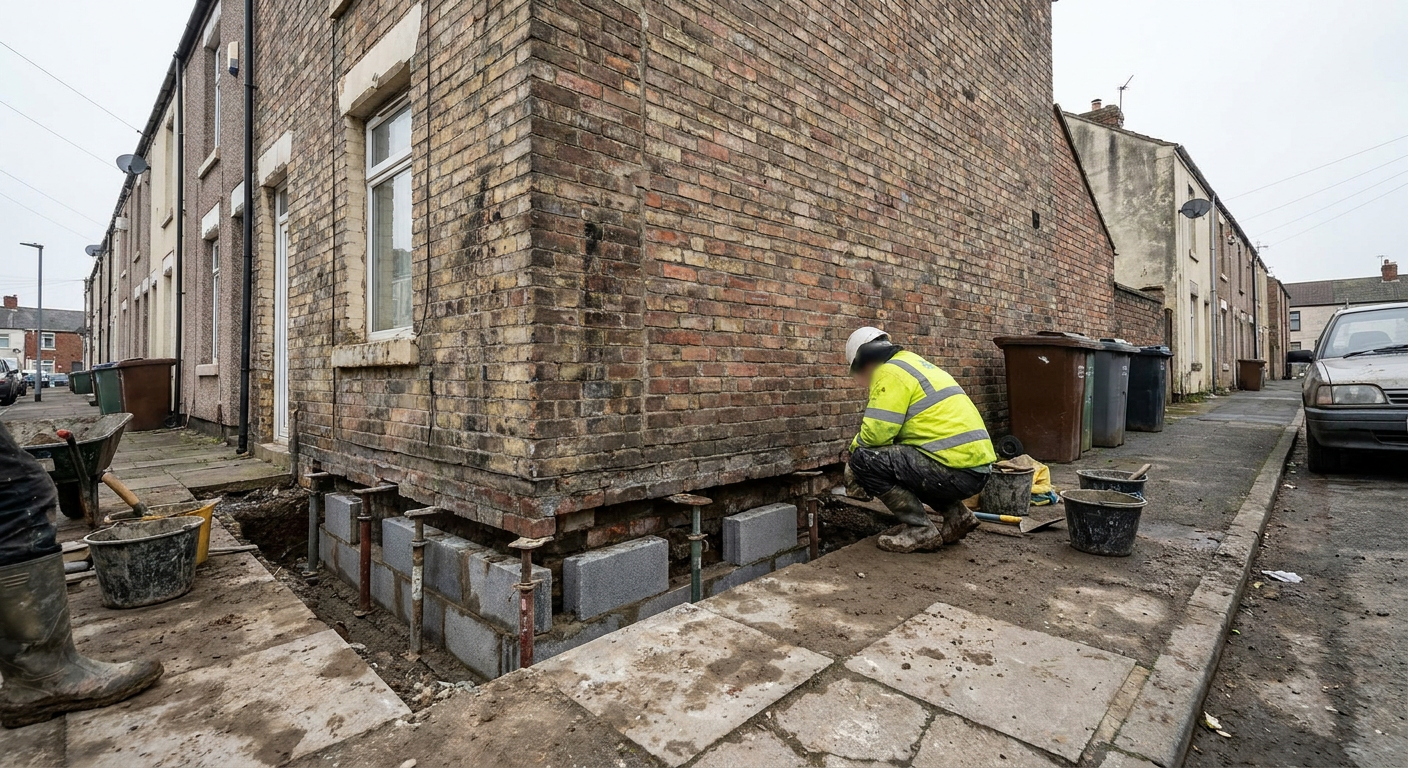
Cardiff
About this subsidence repair service in Cardiff
Describe the crack or the worry you have noticed at home. A specialist firm will read it and reply with a clear next step, without charging you for that first conversation.
Report Cracks in My House in Cardiff Read the subsidence guides first
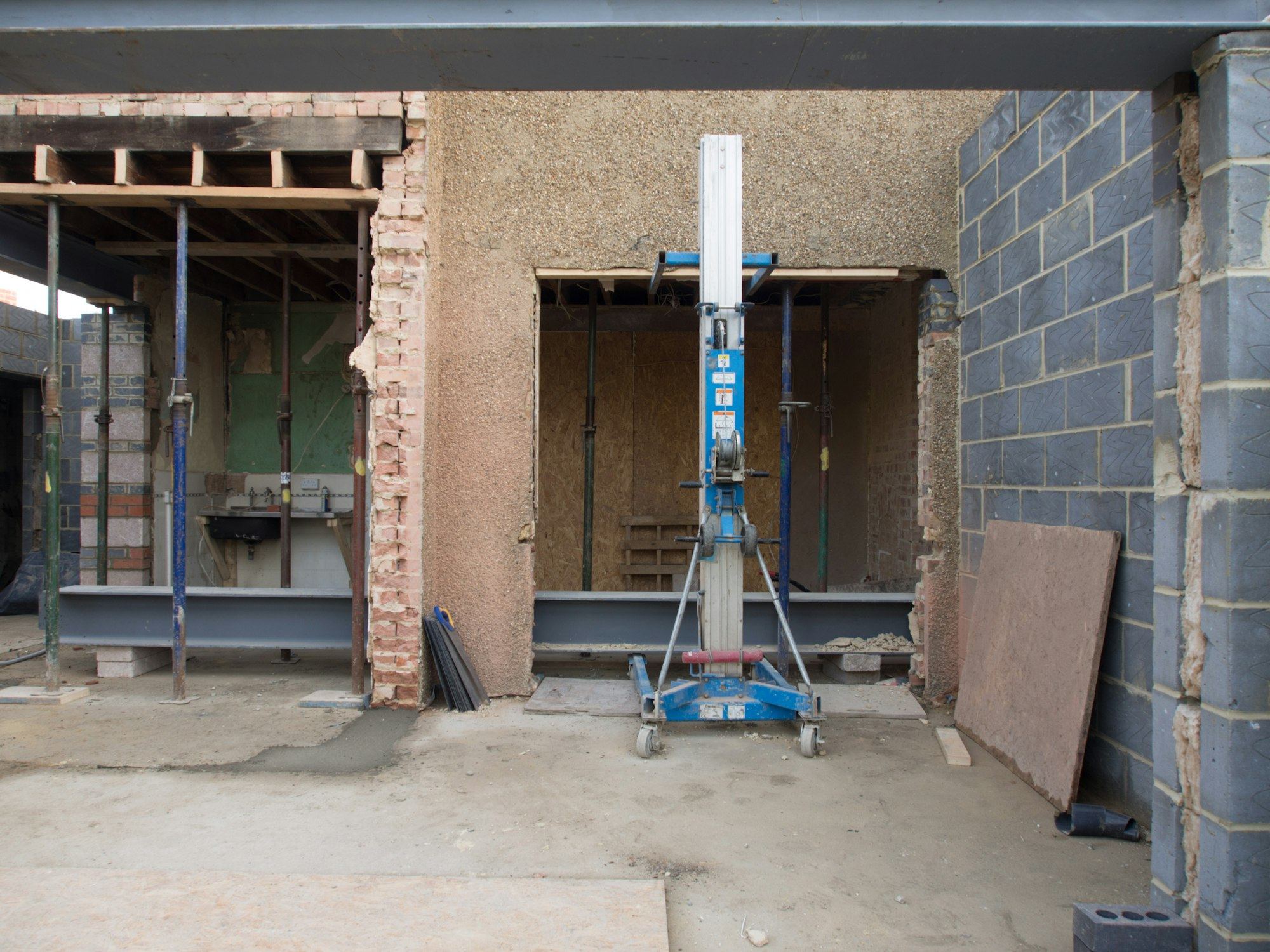
Taking enquiries about underpinning in Cardiff
Underpinning Cardiff receives enquiries from people who live in the city and its surrounding areas. The work described here concerns homes where walls have cracked, floors have shifted, or a survey has flagged movement in the foundations.
The site exists so a homeowner can describe what they see and get a response from a firm that handles underpinning. That might mean arranging a subsidence survey to find out whether the ground beneath the house is moving, or discussing how deep the repair needs to go.
Every enquiry stays local. The problems are specific to Cardiff: clay soil shrinking in summer, old dock land settling unevenly, or limestone dissolving into swallow holes in northern gardens. The pages on this site address those conditions directly because they shape what happens next.
Specialist firms carry out the structural work
Underpinning Cardiff does not dig trenches, pour concrete or inject resin. Separate specialist firms do that work. They handle everything from mass concrete underpinning beneath a shallow footing to mini piled foundations driven down to stable strata.
When a home needs attention, the right method depends on the ground and the building. A Victorian terrace shares party walls, so the approach differs from a detached house. Basement underpinning requires lowering an existing floor safely, while resin injection stabilises loose soil without excavation.
Crack repair follows once the movement stops. Structural monitoring tracks whether a wall is still shifting before anyone commits to heavy work. Each of these tasks belongs to the specialist firm appointed for the job, and each one answers to the same building regulations.
Guidance written around local ground conditions
A crack in plaster means very little on its own. It matters more when you know what sits beneath the house. The guides on this site explain how leaking drains wash soil away, why trees planted too close to foundations draw moisture from clay, and whether cold weather opens existing cracks wider.
Buying a home adds another layer of worry. If a survey mentions subsidence, the next steps involve insurance claims and careful negotiation. The advice here sets out what a buyer should ask for before exchanging contracts.
Cost is always part of the question. What drives the price of underpinning depends on access, depth, soil type and the method chosen. Reading through the local guides gives a clearer picture of which factors apply to your home before you send an enquiry.
What you receive after sending an enquiry
A specialist firm reviews the details you provide, judges what the evidence points to, and replies with a record of their assessment and the recommended next step.
- Written response
- A reply addressing the symptoms you described and whether they point to subsidence or seasonal movement.
- Method recommendation
- The repair approach suited to your ground conditions, such as mass concrete, resin injection or piling.
- Next steps outlined
- Find out who takes your enquiry about underpinning in Cardiff, how the separate specialist firms work, and what happens after you report cracks in your home.
Tell us what you have noticed at home
Send a description of the crack or movement you see. A specialist firm reads it and replies. This does not commit you to any work or cost you anything.
- No obligation
- Free initial response
- Local specialists only