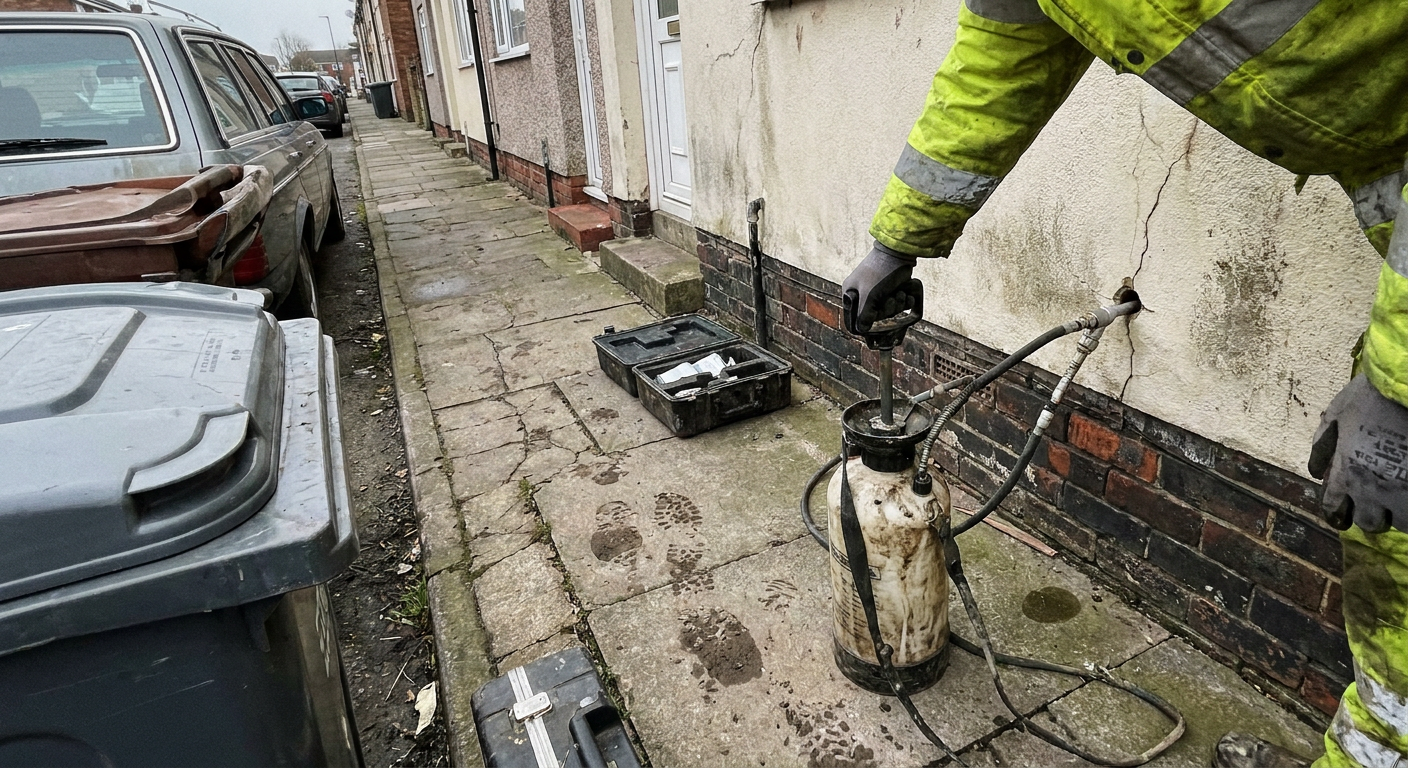
Cardiff homes
Underpinning for a subsiding house in Cardiff
Send details of the cracks you have noticed. A specialist firm will review them and advise whether a site visit is needed, without any charge or obligation to proceed.
What the signs around your home mean
A crack in plaster can be seasonal movement or the start of foundation failure. The shape, width and location tell a structural engineer which it is.
- Stepped cracks above my bay window
- Often points to foundation movement where the bay joins the main wall. A subsidence survey would confirm whether the ground beneath has shifted.
- Doors sticking in their frames
- Frames distort when walls move out of square. Measuring the gap over several months shows if the distortion is active or settled.
- Gaps between skirting and floor
- The floor may be dropping away from the wall, or the wall lifting. A structural engineer report on subsidence in Cardiff identifies the direction.
How underpinning is carried out on an occupied home
Subsidence repair on a Cardiff house follows a fixed sequence. Each stage relies on the previous one finishing before the next begins.
-
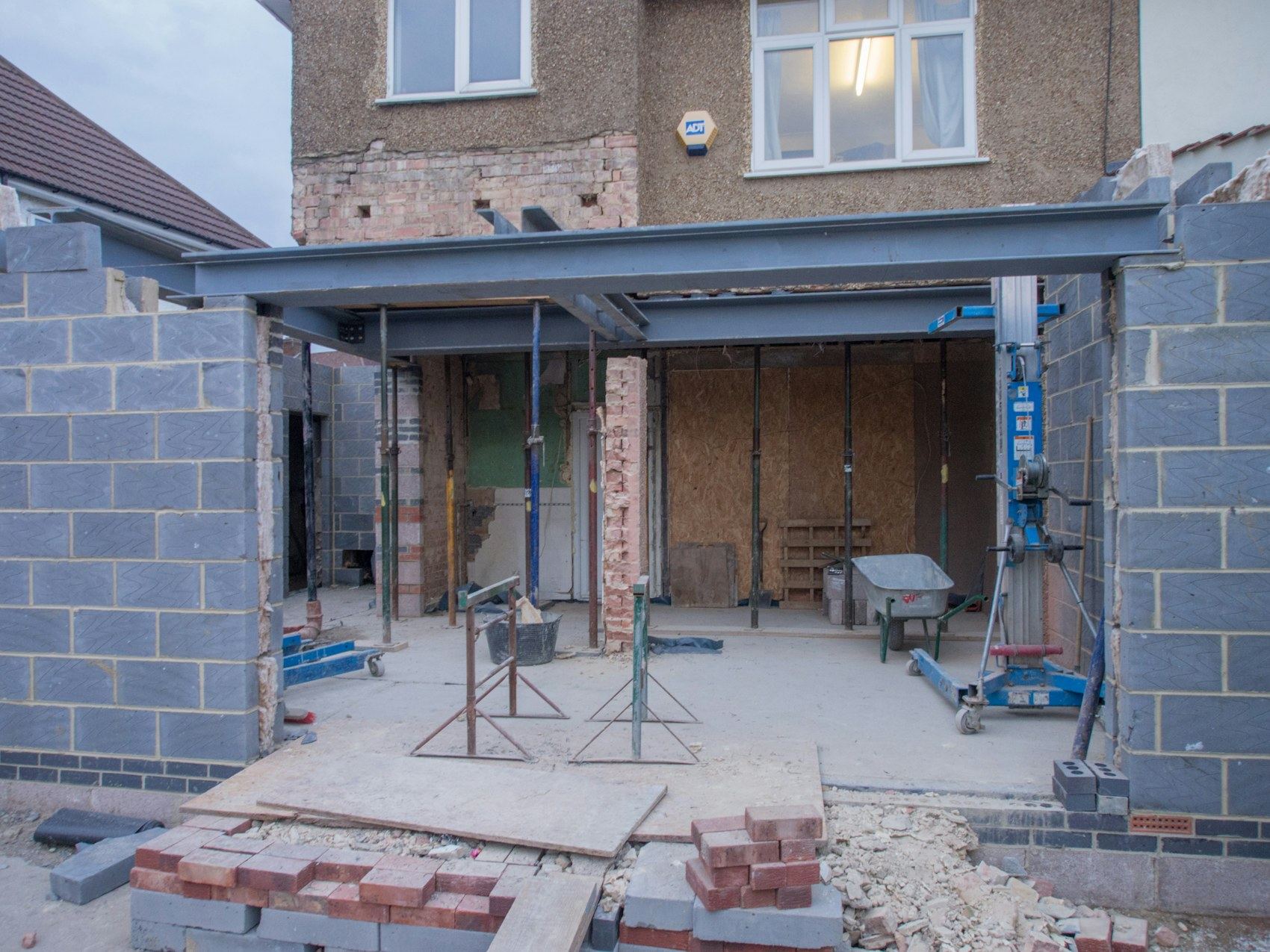
Subsidence survey
Before anyone digs, a structural engineer visits to record cracks in walls across the Cardiff property. They take level readings and check drains. That structural engineer report on subsidence in Cardiff determines whether the house needs underpinning or simply monitoring. You receive a written document setting out the cause and the recommended method, which forms the basis for any insurance claim.
-
Choosing the method
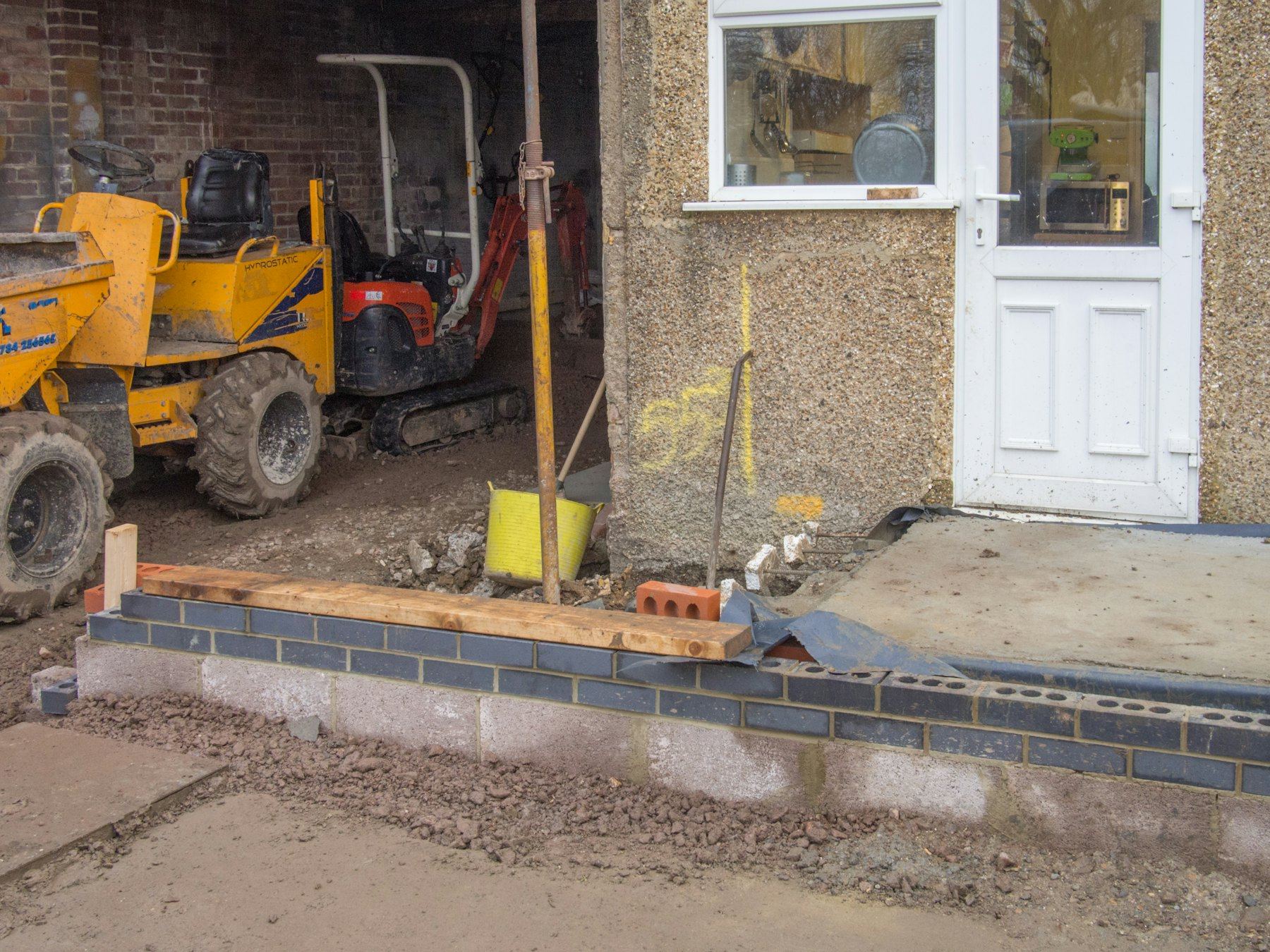
The engineer specifies the technique based on soil type and depth to stable ground. Mass concrete underpinning in Cardiff suits shallow foundations, while mini piled underpinning reaches deeper strata. Resin injection stabilises loose fill without excavation. Basement underpinning applies where lower floors need strengthening. The homeowner does not pick the method; the engineer dictates it and the contractor prices it accordingly.
-
Excavation and concrete work
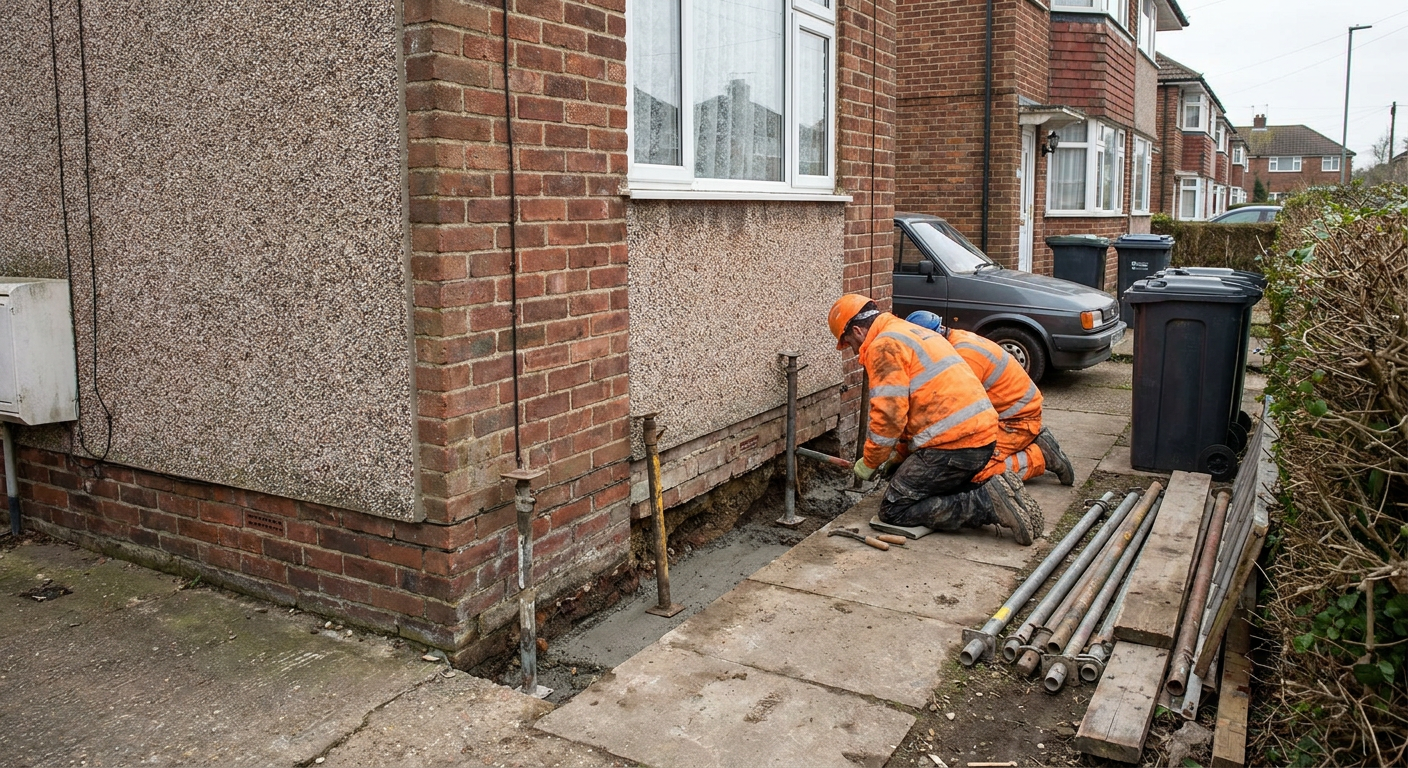
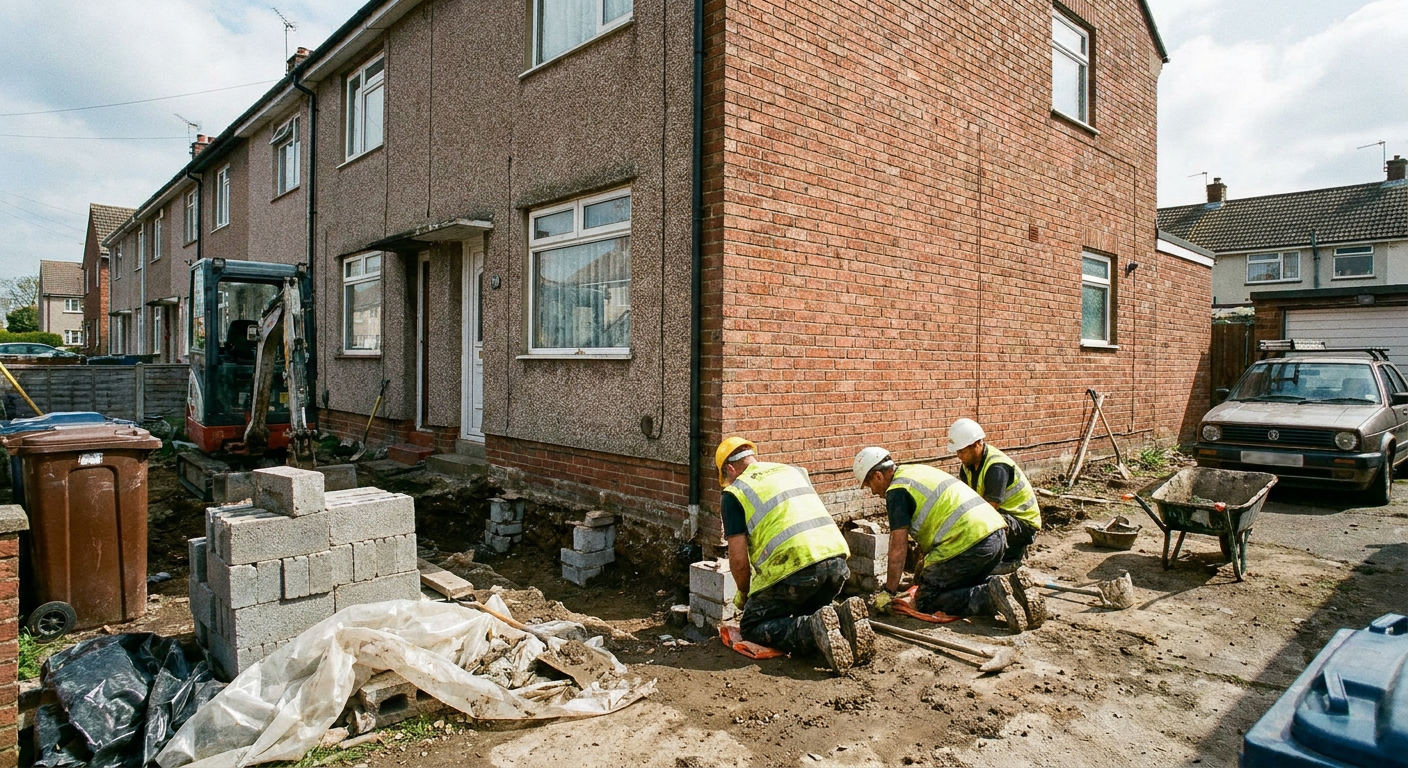
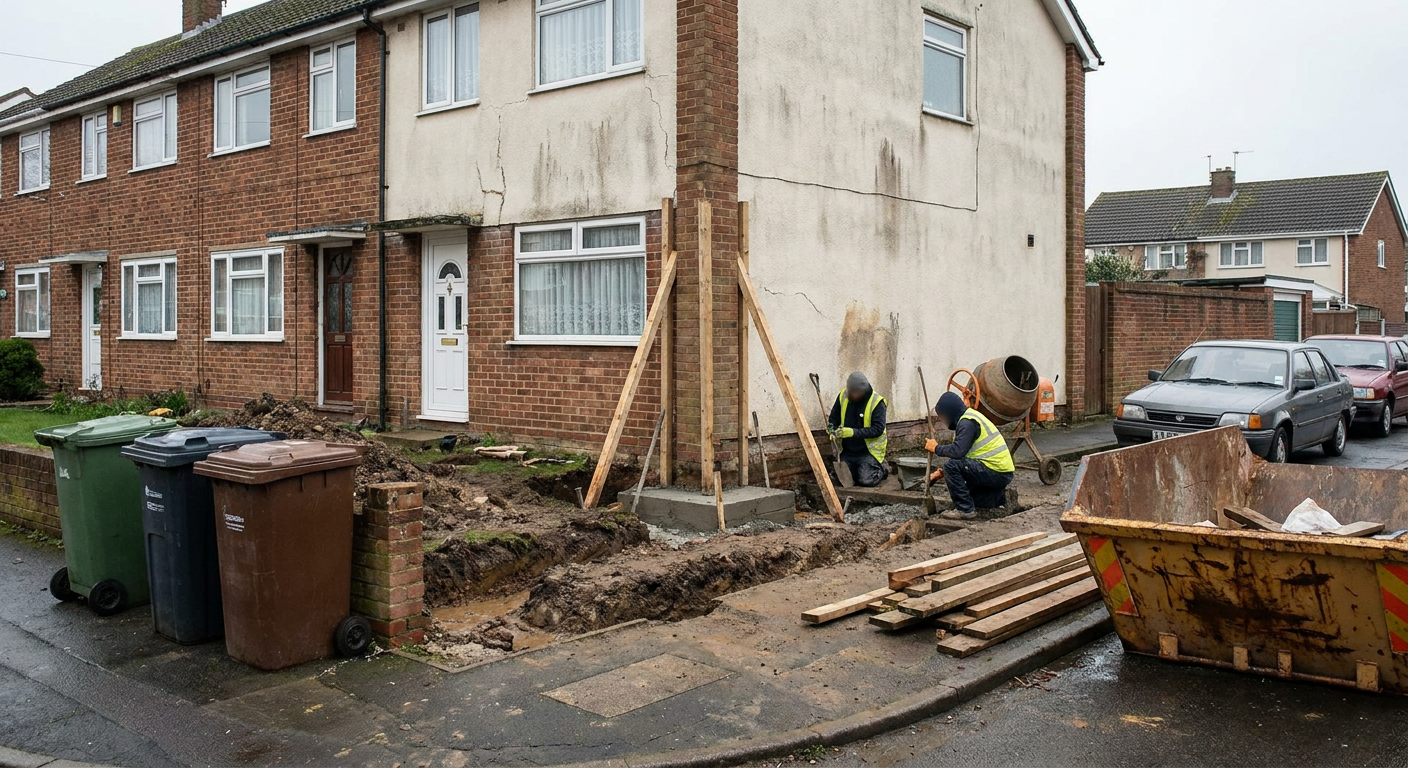
Underpinning contractors in Cardiff dig pits in short bays beneath the affected wall so the structure stays supported at all times. They pour concrete, let it cure, then pack the gap dry. Most of this happens from outside. Living in the house during underpinning is usually possible because rooms stay accessible, though garden paths and driveways will be blocked by spoil heaps and mixers.
-
Crack repair and reinstatement
Once the foundation repair in Cardiff is signed off, crack repair addresses the visible damage. Specialists rake out fractures, insert ties where needed and replaster. Making good extends to replacing lifted paving and reseeding disturbed turf. The household gets a finished surface inside and a restored garden outside, with certificates kept on file for future buyers or insurers.
Questions about underpinning a Cardiff home
-
Homeowners often ask whether they must move out and how long the whole job takes.
- Staying in the house
- Most families remain at home. Work happens externally, so only the garden side of a room might be noisy. Kitchens and bathrooms stay usable.
- Time from survey to finish
- A semi-detached house typically takes eight to twelve weeks. The survey comes first, then building control approval, then digging, curing and making good.
- Who chooses the method
- The structural engineer decides based on ground conditions. The contractor follows that specification. Homeowners discuss preferences but do not select the engineering approach.
- Insurance involvement
- Buildings insurers must be notified before work starts. They often appoint a loss adjuster who reviews the engineer's report and agrees the scope of repairs.
- Restoring the garden
- Contractors reinstate paths and driveways once pits are backfilled. Internal decoration falls to a separate tradesperson unless the insurance settlement includes it.
Areas covered for house underpinning in Cardiff
Specialist firms handle subsidence repair across the city, from Victorian terraces near the centre to newer builds on the northern estates. Enquiries from Penarth and Dinas Powys follow the same process.
If your street is not mentioned, send an enquiry anyway. Firms cover the wider county.
Tell us what you have noticed
Write down where the cracks are and how wide they look. A specialist firm will read your description and advise on the next step, free of charge.
- No obligation
- Free initial advice
- Local specialists