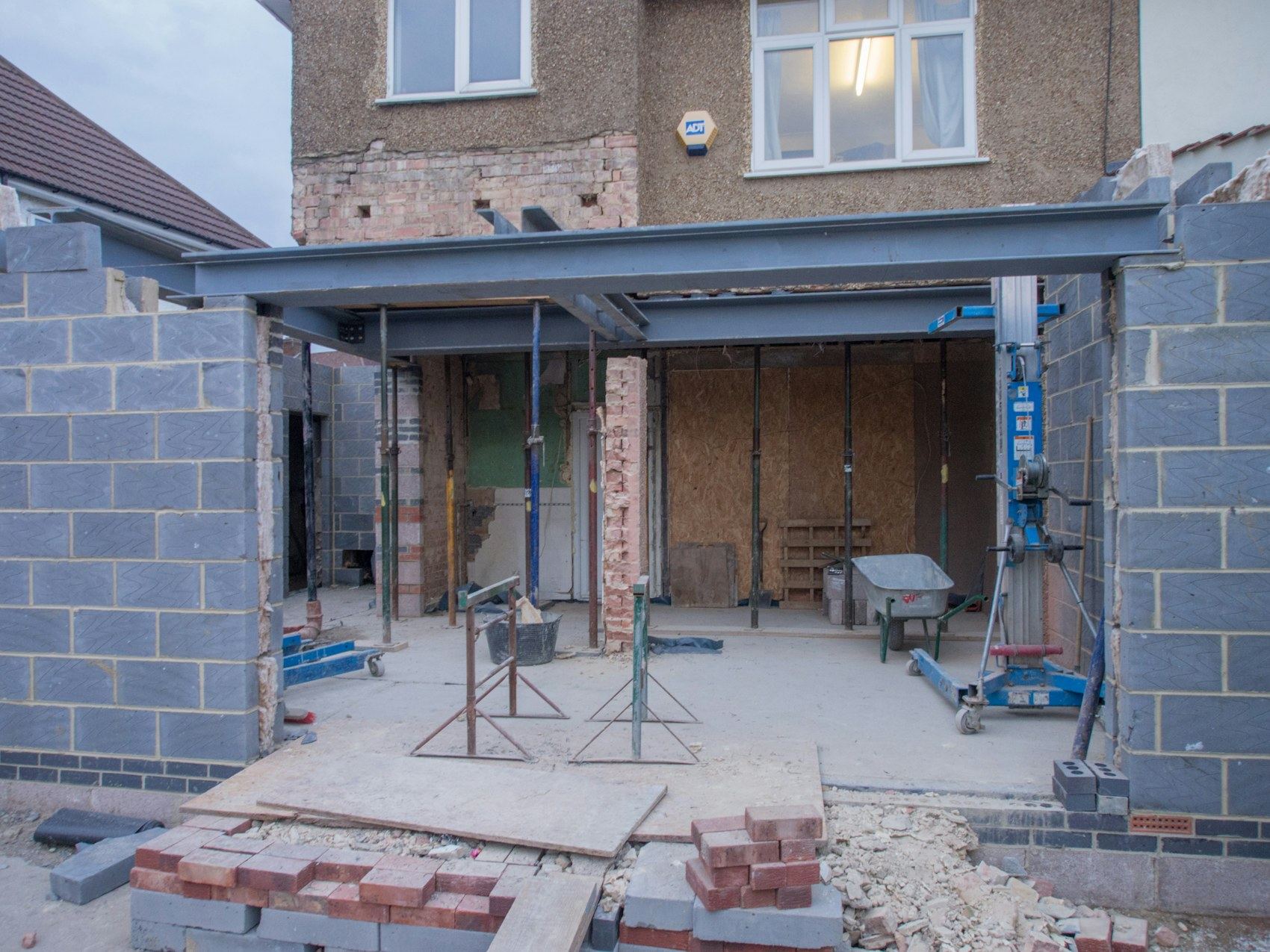
Cardiff
Crack monitoring in Cardiff before any repair work
Send details of the crack and the instructions from your loss adjuster. A specialist firm will arrange structural monitoring in Cardiff at no cost to you, so you find out what the movement means before any work is agreed.
Why has my loss adjuster asked me to wait?
When a wall crack appears, an insurer or loss adjuster often asks for a subsidence monitoring period before approving repair work. Crack monitoring insurance claim procedures exist because ground movement can be seasonal, and measuring wall movement in a house over twelve months separates harmless shrinkage from ongoing settlement.
- 1
A new diagonal crack
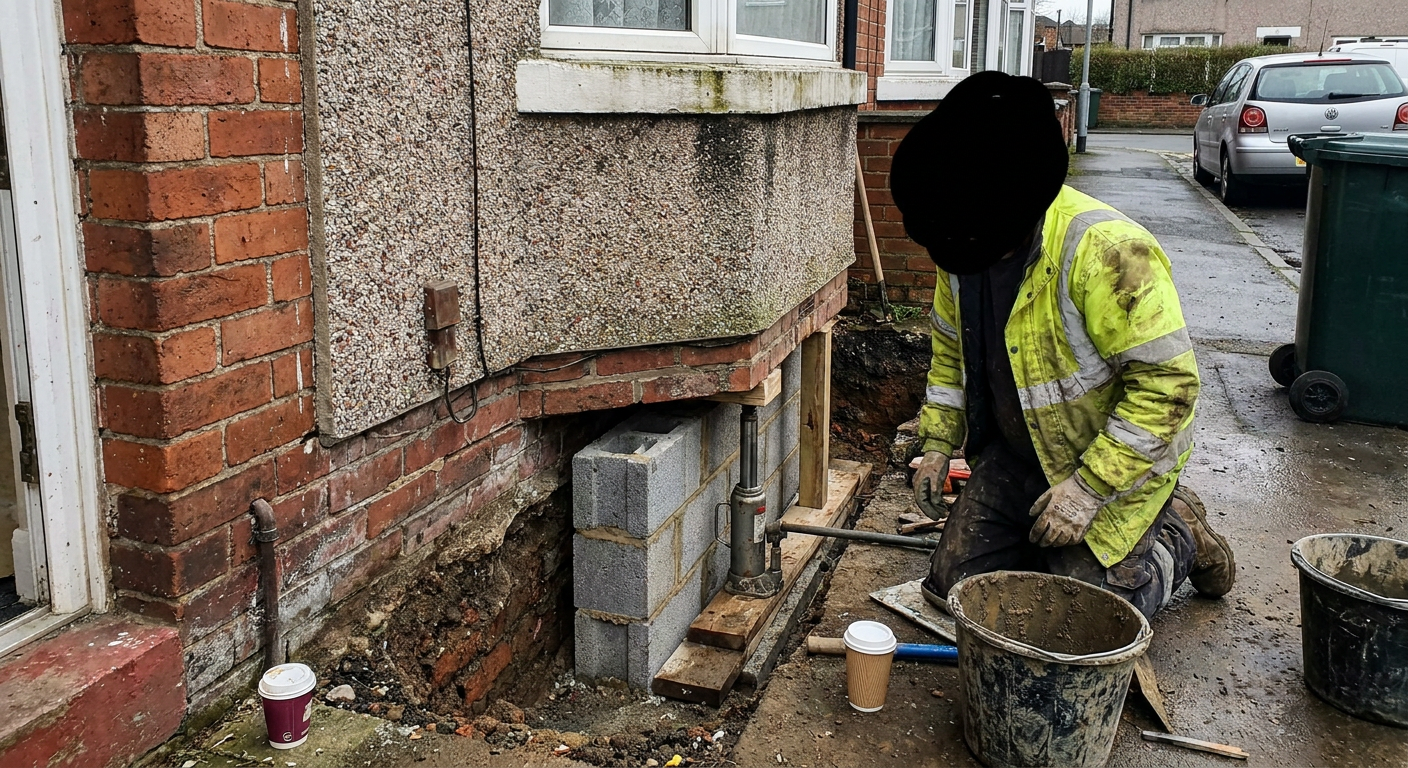
A line running at an angle through plaster or brickwork, wider at one end than the other, suggesting the wall has shifted slightly on its foundations.
- 2
Doors sticking in frames
Timber that used to swing freely now catches or jams. This can mean the frame has distorted because the wall around it has moved.
- 3
Gaps at skirting boards
A visible space opening between the bottom of the wall and the floor trim. It may indicate the floor has dropped relative to the wall.
- 4
Plaster cracking at corners
Fine lines radiating from the corner of a window or door opening where stress concentrates as the structure shifts.
Monitoring methods
What gets fitted to the wall during monitoring
Tell-tales
Small plastic or glass gauges fixed across a crack with adhesive. They show if the gap widens or narrows. Removing them later leaves no mark on brickwork or plaster.
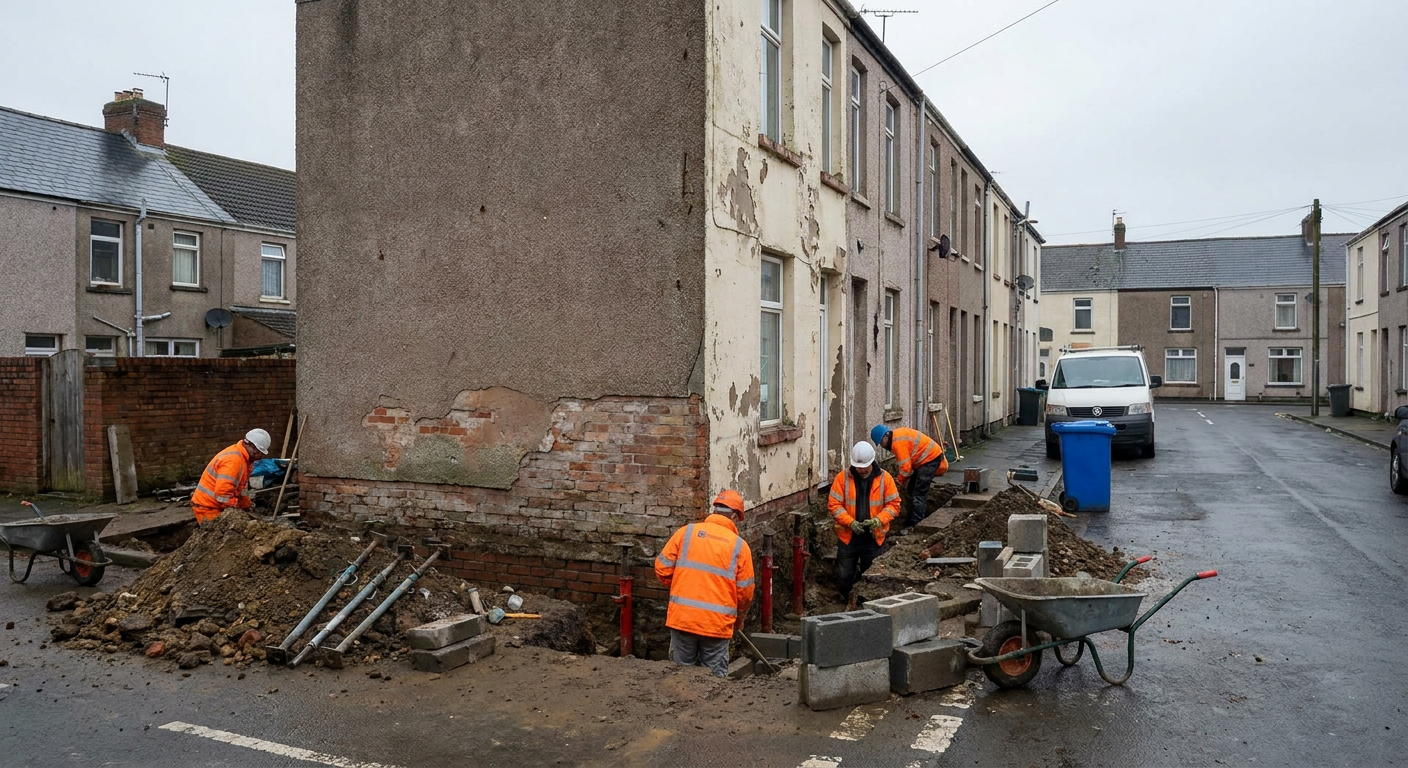
Demec studs
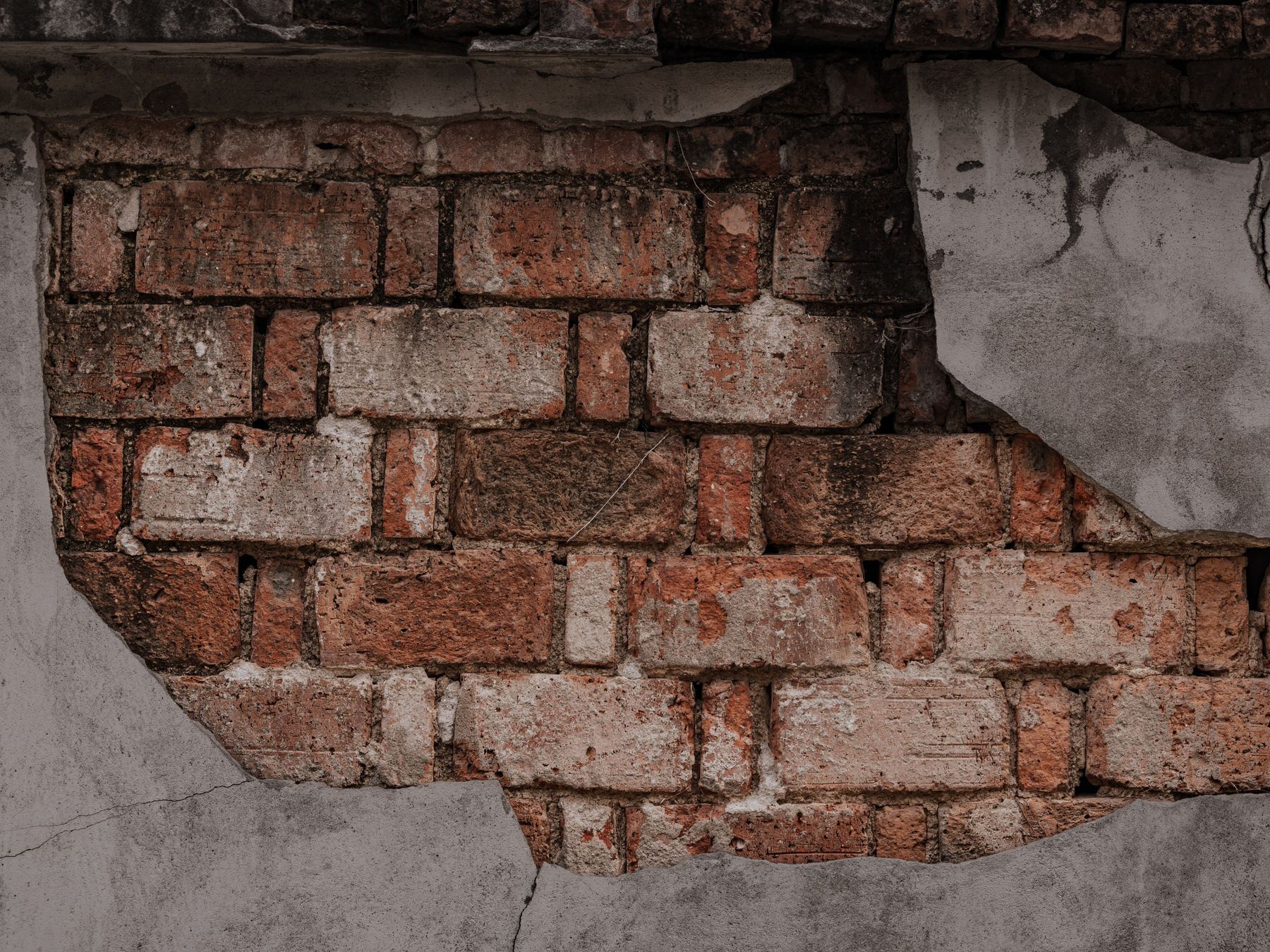
Metal discs glued to the wall in pairs. The specialist measures the exact distance between them at each visit to track tiny shifts over time.
Precise levelling
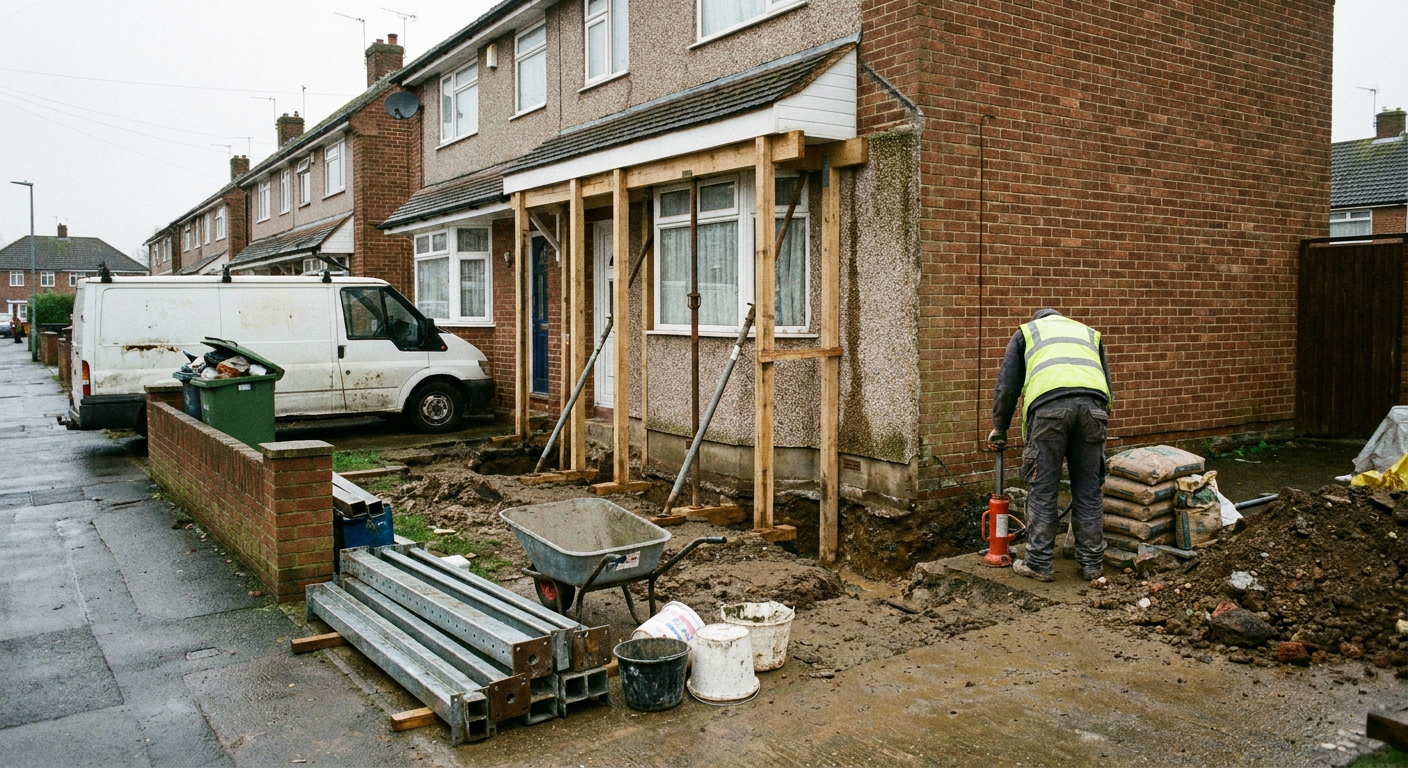
Survey points set on the exterior walls. The specialist takes readings with optical equipment outside, so nobody needs access inside your home during visits.
Reading schedule
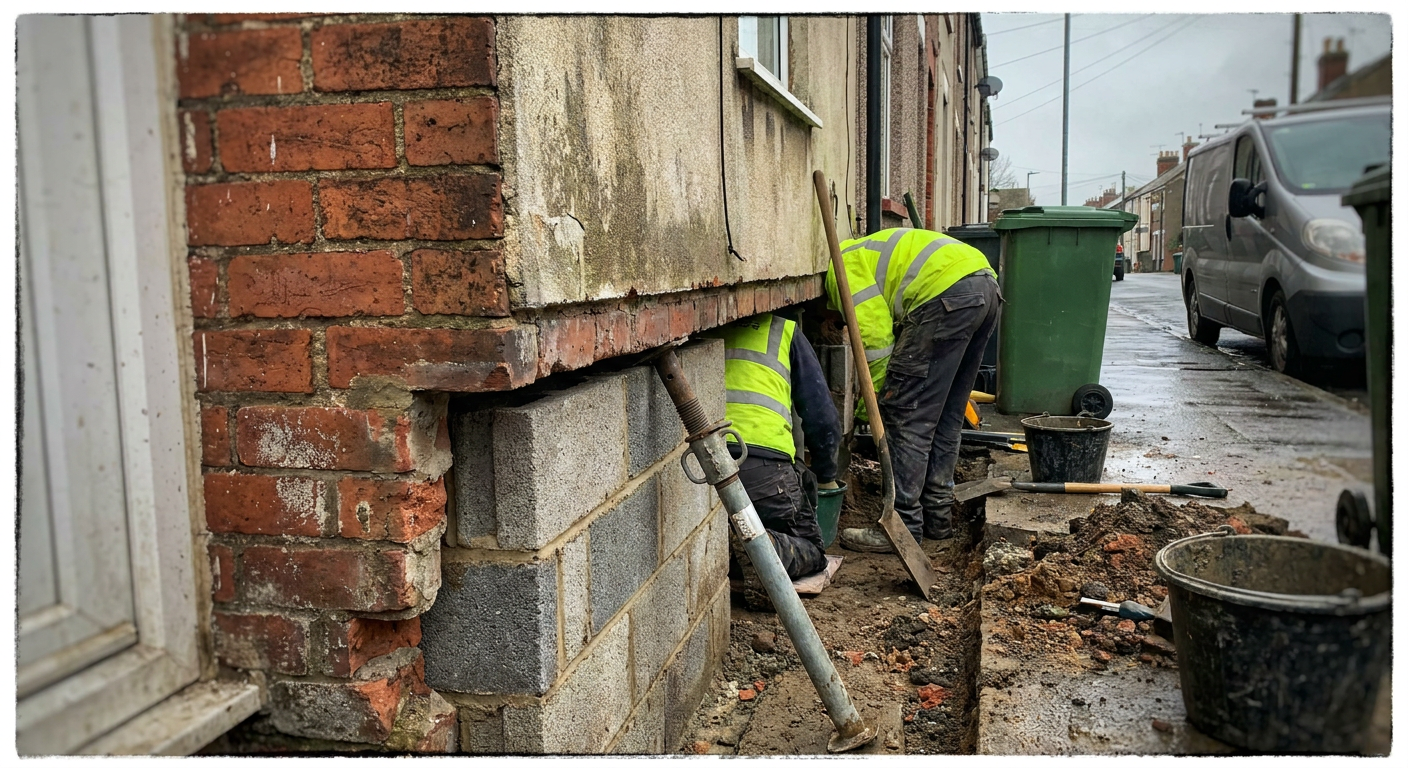
Readings are usually taken every three months for a year. This covers all seasons, since clay soil shrinks in summer and swells in winter, changing the forces under the foundations.
Decorating during monitoring
Filling or painting over cracks while gauges are in place ruins the record. Leave the plaster untouched until the specialist confirms movement has stopped and the monitoring period is complete.
What shapes the cost of structural monitoring
The scope of monitoring depends on the building and the ground beneath it, so the work varies from home to home.
- Number of cracks
- Each crack being tracked needs its own gauge or stud pair, adding to the fitting time and the reading visits.
- Access requirements
- External precise levelling avoids entering the house but may need more survey points around the perimeter.
- Duration of readings
- A standard twelve-month period involves multiple return visits by the specialist to take and record measurements.
- Reporting detail
- The final report goes to both you and the insurer. More complex ground conditions require longer analysis.
The specialist explains the cost of monitoring your particular home before anything is agreed.
Areas covered for structural monitoring
Specialist firms carry out structural monitoring in Cardiff and the surrounding areas. Enquiries are accepted from homes across the city, including older terraces and newer estates built on varying ground conditions.
If your street is not listed, send an enquiry anyway. Coverage extends beyond the named areas.
Ask about monitoring your home
Send a description of the crack and any letter from your insurer or loss adjuster. The specialist firm reviews it and replies without obliging you to proceed with any repair work.
- No obligation to proceed
- Free initial review
- Specialist response